Property inspection in Dubai is essential for homeowners looking to protect their investment and avoid costly surprises. Owning a property in Dubai is a significant financial commitment—but it also comes with ongoing responsibilities. The city’s unique climate, rapid construction, and evolving property regulations mean that homeowners must be proactive in maintaining their assets. One of the most effective ways to ensure this is through regular, professional Dubai property inspections.
This guide breaks down the most common issues identified during a property inspection in Dubai and offers expert advice on how to prevent them. Whether you own a luxury villa in Palm Jumeirah, an apartment in Downtown Dubai, or a home in one of the newer communities like Dubai Hills or Arabian Ranches, staying on top of these concerns will save time, money, and stress.
For new buyers, read our guide on snagging inspections in UAE new builds.
Why Regular Property Inspections in Dubai Matter
Dubai’s extreme temperatures, humidity, sandy environment, and strict municipal compliance standards make regular inspections essential. A minor oversight, such as an AC leak or a faulty breaker, can quickly escalate into a costly repair or a regulatory fine.
“In our inspections across Dubai, 7 out of 10 homes show at least one hidden defect that requires urgent repair.” – Inspec Building Consultancy
Scheduling annual or biannual inspections with RICS-qualified professionals ensures your property remains safe, energy-efficient, and compliant.
1. HVAC System Malfunctions
In Dubai, air conditioning isn’t a luxury—it’s a necessity. AC units run nearly all year round, making them one of the most common points of failure.
Common issues:
- Blocked filters from dust and sand
- Low refrigerant levels
- Faulty ductwork or poor insulation
Prevention Tips:
- Clean filters monthly; replace them every 3–6 months
- Schedule professional AC servicing twice a year
- Ask for thermal imaging during your inspection to detect air leakage
Read more about HVAC snagging in our villa inspection guide.
2. Plumbing Leaks and Water Damage
Dubai properties often use concealed plumbing, which can mask leaks for weeks before damage becomes visible.
Typical defects:
- Leaking pipe joints or corroded pipes
- Water pooling under sinks or bathrooms
- Damp patches or mold growth
Preventive Measures:
- Install water leak detectors
- Inspect fittings, tanks, and drainage monthly
- Include moisture mapping in annual inspections
Even minor plumbing issues can escalate into major water damage or mold infestations if ignored.
3. Electrical System Failures
Faulty wiring is not only an inconvenience—it’s a fire risk.
What to check:
- Flickering lights or warm outlets
- Outdated fuse boxes or overloaded circuits
- Improper grounding and GFCI placement
Inspection Checklist:
- Test circuit breakers and outlets regularly
- Schedule annual checks with a licensed electrician
- Ensure full compliance with Dubai Municipality safety codes
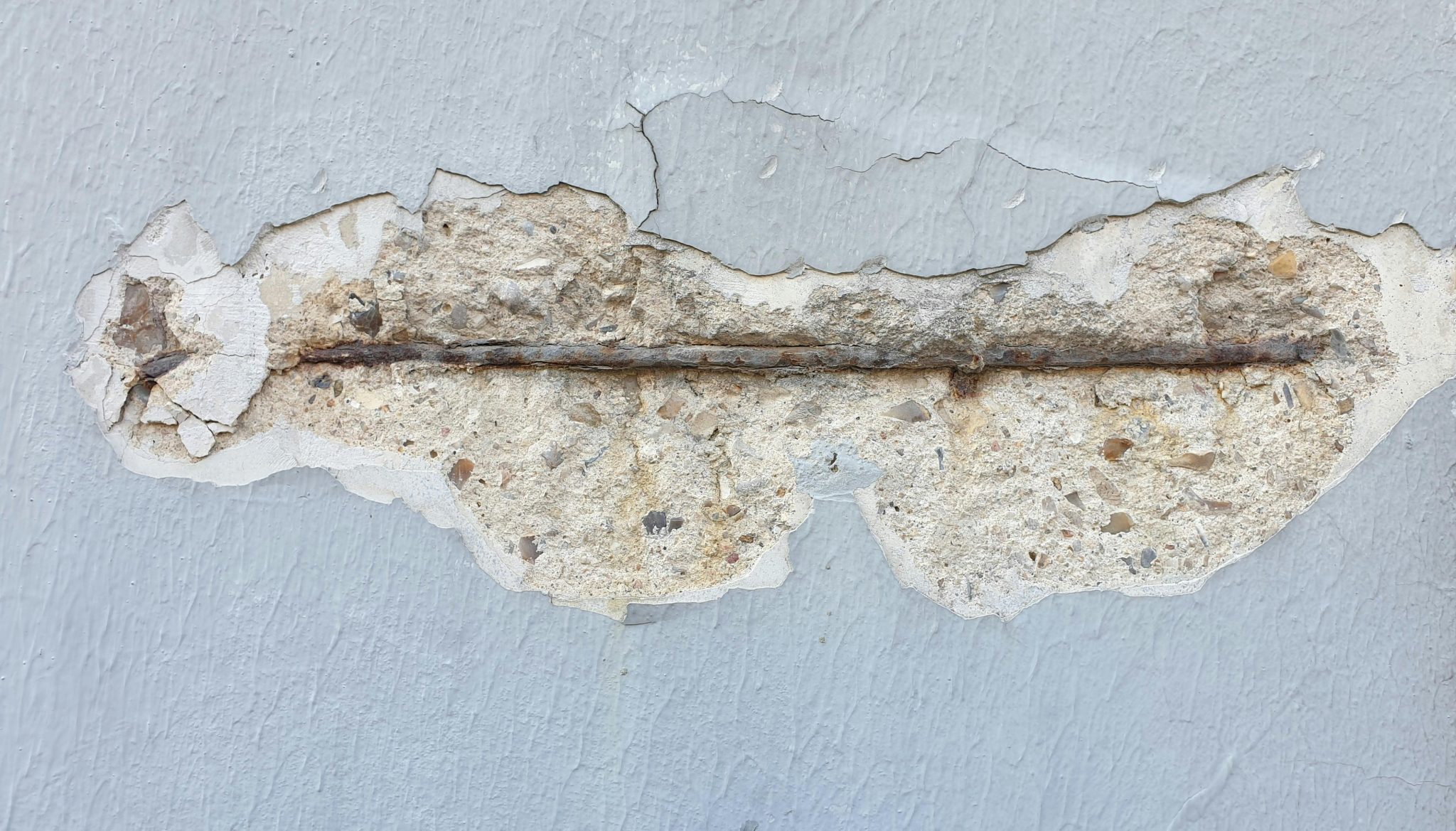
4. Structural Issues and Cracks
Dubai’s soil conditions and rapid construction pace can contribute to settlement-related cracks.
What to look for:
- Vertical cracks in walls or ceilings
- Gaps around windows or doors
- Uneven flooring
Solutions:
- Monitor crack progression over time
- Engage a structural engineer if cracks exceed 2mm or expand
- Waterproof weak exterior points to prevent moisture ingress
Early detection helps avoid full renovations later.
5. Pest Infestations
The hot, humid environment is ideal for pests like termites, rodents, and cockroaches.
Common entry points:
- Cracks in walls
- Openings in window screens
- Gaps under doors
Preventive Steps:
- Conduct quarterly pest control inspections
- Seal openings and ensure screens are intact
- Keep all drain outlets covered
Some infestations can cause unseen structural damage if left untreated.
6. Roof and Waterproofing Defects
While Dubai receives limited rainfall, occasional heavy downpours can cause major leaks.
Typical Issues:
- Cracked or missing roof tiles
- Blocked drainage outlets on balconies
- Peeling sealants or flashing damage
Best Practices:
- Inspect your roof before and after the rainy season
- Ensure gutters and downpipes are clear
- Use polyurethane or bitumen-based sealants in exposed areas
Poor waterproofing can lead to interior mold, paint bubbling, and even ceiling collapse.
7. Swimming Pool Maintenance Failures
For villas with pools, maintenance is a full-time task.
Most common issues:
- Pump and filtration failure
- Algae due to chemical imbalance
- Loose tiles or cracked pool lining
Inspection Advice:
- Test chlorine and pH levels weekly
- Book professional servicing monthly
- Include pool system checks in annual property inspections
Swimming pools left unmaintained can quickly become health hazards.
8. Fire Safety and Emergency Preparedness
Fire prevention is non-negotiable-especially in high-rise apartments and villas.
Risk areas:
- Expired or missing fire extinguishers
- Blocked or locked emergency exits
- Non-functioning smoke detectors
Stay compliant:
- Install CO2 and smoke alarms in all bedrooms and kitchens
- Check expiry dates on extinguishers
- Follow DCD (Dubai Civil Defence) recommendations strictly
These are not just best practices-they are legally required in Dubai.
9. Window and Door Seal Deterioration
Weather extremes and constant usage wear down seals faster than you might expect.
Symptoms:
- Drafts or dust inside the property
- Difficulty locking doors or closing windows
- High AC bills due to poor insulation
Preventive Tips:
- Inspect weatherstripping twice a year
- Replace seals and worn-out hinges as needed
- Apply thermal film to windows for extra insulation
Energy inefficiency leads to higher DEWA bills and poor climate control.
10. Outdated Fixtures and Surface Damage
Dubai’s high-end homes often come with premium finishes—but they don’t last forever.
Watch for:
- Peeling paint or bubbling plaster
- Rusty bathroom or kitchen fixtures
- Worn flooring or tile grout
Maintenance Tips:
- Touch-up paintwork annually
- Polish or replace fixtures during renovations
- Reseal tile grout to prevent discoloration or bacteria build-up
These are usually aesthetic, but they can lower property value and tenant appeal.
Conclusion: Stay Ahead With RICS- Accredited Property Inspection in Dubai
Owning property in Dubai is a rewarding experience-but only if it’s maintained correctly. Regular property inspections in Dubai by experienced, RICS-qualified professionals help detect hidden issues early, ensure compliance with UAE safety codes, and maintain high property value.
At Inspec Building Consultancy, we specialise in:
- RICS-accredited villa and apartment inspections
- Thermal imaging and moisture testing
- Full PDF reports with photographic evidence
- Pre-purchase, post-handover, and lease-end reports
👉 Book your next property inspection in Dubai today: www.inspecae.com
📞 +971 50 221 0980
📸 Follow our work: @inspec.snagging
Want to learn more about pre-handover inspections? Check our new build snagging guide.