Buying a property in Dubai can be an exciting yet daunting experience, especially considering the substantial financial investment involved. While Dubai is known for its modern architecture and luxurious developments, not all properties are created equal. Some hidden defects may not be immediately visible but can cause serious problems down the line. Recognizing these hidden defects early on can help you make an informed decision and protect your investment.
Why Hidden Defects Matter
In Dubai’s real estate market, properties come in a wide variety of styles and ages, and each comes with its own set of potential issues. Even newer properties can hide defects that aren’t visible to the untrained eye. Hidden property defects can lead to costly repairs and decreased property value over time. Identifying these problems during the property inspection process is crucial to ensure you’re making a safe investment that won’t leave you with unpleasant surprises.
Common Hidden Property Defects in Dubai
Here’s a look at some of the most common hidden defects to be aware of when purchasing property in Dubai:
1. Water Leakage and Dampness
Dubai’s hot and humid climate can exacerbate issues related to water leakage and dampness. Even in newer properties, water leaks can develop in walls, ceilings, or around windows, often caused by poor construction or aging materials. These leaks can lead to significant damage, including mold growth, which poses a health risk and can compromise the structural integrity of the property.
When inspecting a property, check for any signs of water damage such as discolored walls or ceilings, musty smells, or peeling paint. These could be indicators of hidden water leakage that may require expensive repairs.
2. Cracks in Walls and Ceilings
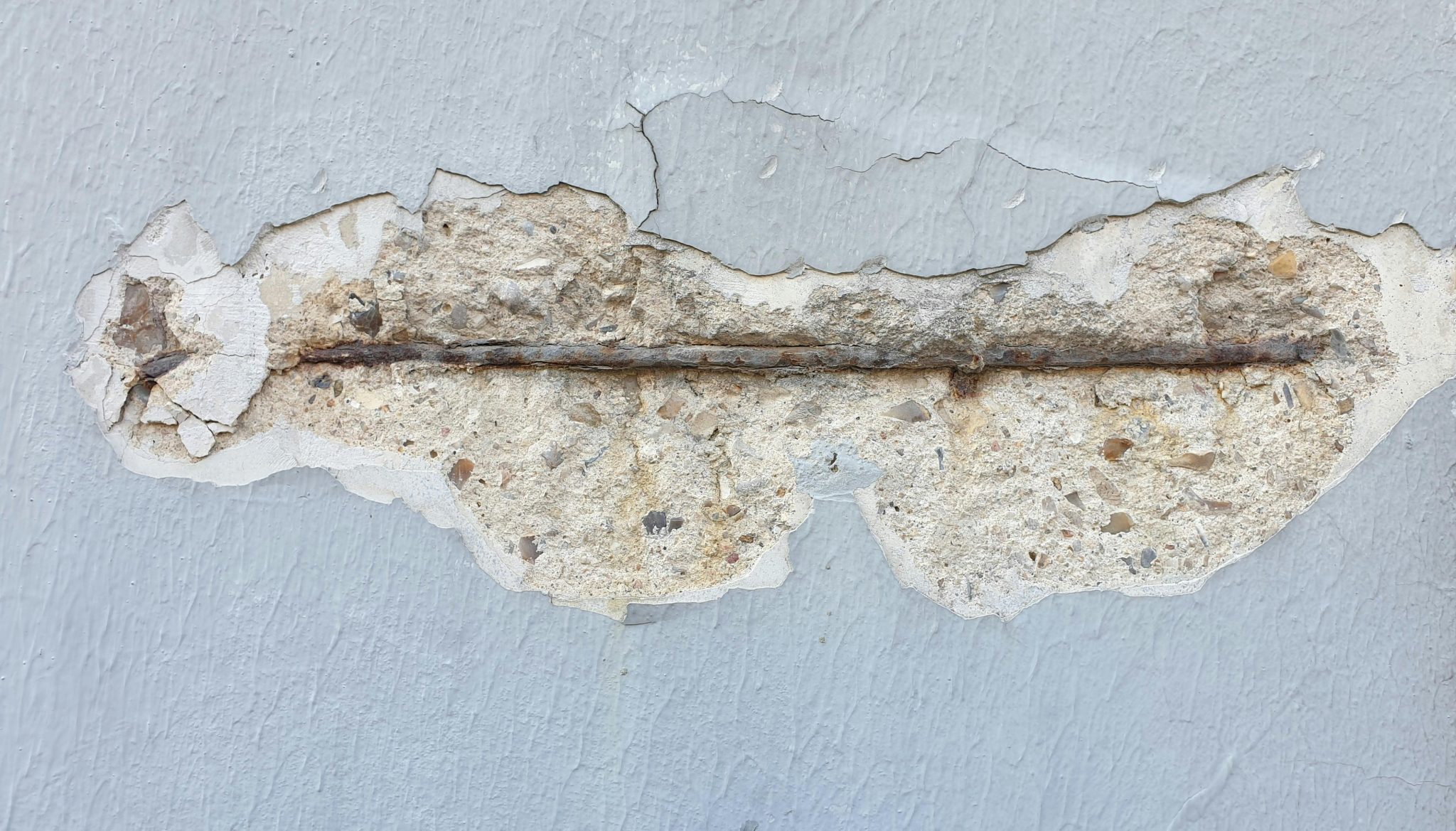
While minor cracks can be normal in any building, large or growing cracks may signal serious structural issues. In Dubai, extreme heat can cause materials to expand and contract, leading to cracks in both newer and older buildings. Cracks can also be caused by settling foundations or movement in the underlying structure.
Always pay attention to the size and location of cracks. Cracks around door frames or windows are particularly concerning, as they could indicate issues with the building’s foundation.
3. Electrical Problems
Electrical issues are often hidden and can be dangerous if not addressed. Faulty wiring or outdated electrical systems can pose significant risks, including fires or electrical shocks. Older buildings, in particular, may not meet current safety standards, and electrical systems could be improperly installed or deteriorating.
When inspecting a property, be sure to check the age of the electrical wiring and ask if any recent upgrades or repairs have been made. Also, test the outlets, light switches, and circuit breakers to ensure they’re functioning properly.
4. Air Conditioning and HVAC Systems
In Dubai, air conditioning is not just a luxury—it’s a necessity due to the extreme heat. If the HVAC system is not functioning efficiently, it could lead to high utility bills and uncomfortable living conditions. Issues with air conditioning systems often arise in the form of poor maintenance, outdated units, or blocked ducts.
During the inspection, ask for a detailed check on the air conditioning system. Ensure that the units are working properly and that there is no buildup of dust or mold within the ducts, which could affect air quality.
5. Plumbing Issues
Dubai’s properties often have complex plumbing systems, and defects in the system can lead to expensive repairs. Hidden plumbing issues such as pipe corrosion, leaks behind walls, or water pressure problems can go unnoticed but lead to serious complications over time.
Be on the lookout for low water pressure, leaks around taps or showerheads, or signs of moisture under sinks. These could be early signs of plumbing problems that need to be addressed before they worsen.
6. Pest Infestations
Pests are a common problem in many areas of Dubai, especially in older buildings or properties with poor maintenance. Infestations of termites, rodents, or cockroaches can cause extensive damage to the structure of the building and pose health risks to residents.
Look for signs of pest activity, such as droppings, visible insects, or damaged woodwork. It’s also important to ask about any pest control treatments that have been performed and if there’s a history of infestation in the property.
7. Poor Insulation and Soundproofing
Many properties in Dubai are designed with luxury in mind, but sometimes insulation and soundproofing can be overlooked. Poor insulation can lead to high energy costs, while lack of soundproofing can create a noisy living environment.
Check the property for drafts, especially around windows and doors. Also, pay attention to the noise levels—if the apartment is in a high-traffic area or near a busy road, inadequate soundproofing could be an issue.
How to Spot These Hidden Defects
The key to identifying hidden defects is thoroughness. Here are a few tips to help spot issues during your property inspection:
1. Hire a Professional Inspector
A qualified, experienced property inspector can identify defects that you may not notice. They will thoroughly assess every aspect of the property, from the foundation to the plumbing and electrical systems, and provide you with a detailed report. It’s worth investing in a professional inspector to ensure that no hidden issues are overlooked.
2. Look for Red Flags
If you notice signs of water damage, unusual smells, or any irregularities in the structure, don’t ignore them. These could be early indicators of larger problems. Be diligent and ask questions about any areas of concern during the inspection.
3. Check for Maintenance Records
If you’re purchasing a resale property, ask for records of past maintenance and repairs. This will give you an idea of the property’s history and whether any major defects have been addressed. If the seller is unable or unwilling to provide this information, it could be a red flag.
4. Use Technology to Your Advantage
Modern technology, such as thermal imaging cameras, can be used to detect water leaks, electrical faults, and other hidden problems that may not be visible to the naked eye. Ask your inspector if these tools are being used during the property evaluation.
Conclusion
When buying property in Dubai, being aware of the hidden defects that may lurk beneath the surface can save you from costly surprises and protect your investment. From water leaks to electrical issues, these hidden problems can significantly affect the value and safety of the property. By hiring a professional inspector, looking for red flags, and staying proactive about maintenance, you can ensure that your new property is in top condition and free of unexpected defects. Always approach property inspections with care, as identifying these issues early on can help you make an informed decision and secure a sound investment in Dubai’s vibrant real estate market.